Dismissed From the Choir, Then Father of the Symphony
Joseph Haydn — Celebrated composer, the 'father of the symphony' · c. 1749 · Vienna, Austria
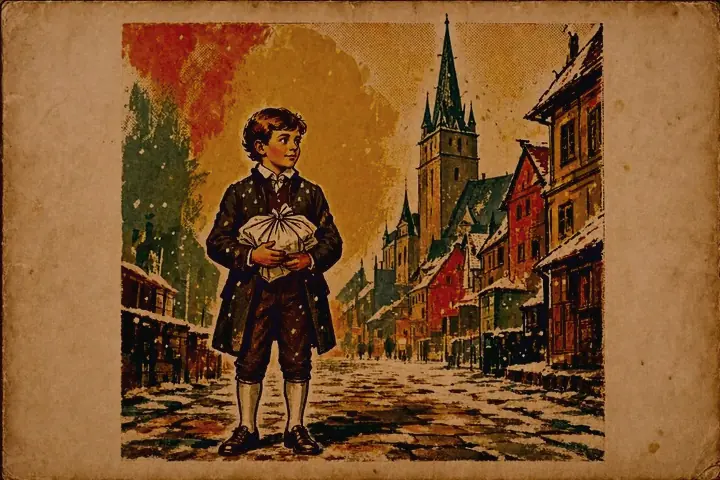
Drawn scene — not a portrait
Joseph Haydn was born in 1732 in Rohrau, a small town in Austria. His father was a wheelwright who held a position of local leadership in the village. There were no known musicians in the family. They owned a harp and sang at the hearth, but no one read music or had formal training.
At six, Haydn left home and never lived with his parents again, though he stayed close to them. A relative who was choirmaster in Hainburg took him in as a choirboy because of his good voice. He received singing and some instrumental lessons but little theory or composition, which he wanted. WETA's programme says he was often hungry and wore threadbare, dirty clothing, and never forgot those humiliations. At eight he moved to Vienna to sing at St Stephen's Cathedral.
Around 1749, as a teenager, he was dismissed from the choir. The programme describes him as then on his own, with three shirts, almost no money and no means of making a living.
He survived as a freelance musician, performing, teaching private pupils, and composing and arranging in the evenings. He played serenades in the streets, a popular and reasonably paid activity in mid-18th-century Austria. He taught himself theory by reading treatises by candlelight, studying scores and admiring C. P. E. Bach. His reputation grew as a skilled, dependable and agreeable musician. At about 20 he became valet and accompanist to the composer Nicola Porpora, whose work was menial but who taught him some composition and theory.
In 1761 he became vice Kapellmeister for the Esterházy family, and full Kapellmeister in 1766, a post he held under Prince Nicholas I until 1790. Later he made two trips to London, where he wrote the London Symphonies, and in 1798–99 The Creation was premiered. He died in Vienna on 31 May 1809. Looking back on his years at Esterházy, where he was cut off from the world, he said he had to become original.
Sources
WETA — «The illustrious life and music of Haydn: hardship to stardom»
Retold from the sources listed. The picture is an AI-generated drawing, not a portrait of the person. The person in the story or their family may ask for a correction or removal.
وُلد يوزف هايدن عام 1732 في روراو، وهي بلدة صغيرة في النمسا. كان والده صانع عجلات يشغل موقع قيادة محلية في القرية. ولم يُعرف في الأسرة موسيقيون. كانوا يملكون قيثارة ويغنون حول الموقد، لكن لم يكن أحد يقرأ النوتة أو تلقى تدريبا رسميا.
وفي السادسة غادر هايدن البيت ولم يعش مع والديه بعد ذلك، وإن بقي قريبا منهما. وأخذه قريب كان قائد جوقة في هاينبورغ ليكون منشدا بسبب صوته الجميل. وتلقى دروسا في الغناء وبعض الآلات لكن قليلا من النظرية والتأليف الذي كان يريده. وتقول حلقة إذاعة ويتا إنه كان جائعا في كثير من الأحيان ويرتدي ثيابا بالية متسخة، ولم ينس تلك الإهانات. وفي الثامنة انتقل إلى فيينا للغناء في كاتدرائية القديس ستيفان.
وفي نحو عام 1749، وهو مراهق، فُصل من الجوقة. وتصفه الحلقة حينها بأنه وحيد، ومعه ثلاثة قمصان وقليل جدا من المال ولا وسيلة للعيش.
وعاش موسيقيا حرا، يعزف ويعطي دروسا خاصة ويؤلف ويوزع الموسيقى في الأمسيات. وكان يعزف سيرنادات في الشوارع، وهو نشاط شائع ومجزٍ نسبيا في النمسا في منتصف القرن الثامن عشر. وعلم نفسه النظرية بقراءة الرسائل على ضوء الشموع ودراسة المدونات الموسيقية وإعجابه بكارل فيليب إيمانويل باخ. وازدادت سمعته موسيقيا ماهرا يعتمد عليه ولطيفا. وفي نحو العشرين أصبح خادما ومرافقا على البيانو للمؤلف نيكولا بوربورا، وكان العمل وضيعا لكن بوربورا علمه شيئا من التأليف والنظرية.
وفي عام 1761 أصبح نائب قائد الجوقة لدى أسرة إسترهازي، ثم قائدها الكامل عام 1766، وهو منصب شغله في عهد الأمير نيكولاس الأول حتى 1790. وقام لاحقا برحلتين إلى لندن كتب فيهما سمفونيات لندن، وفي 1798–1799 عُرض «الخلق» لأول مرة. وتوفي في فيينا في 31 مايو 1809. وتذكر سنواته عند أسرة إسترهازي، حيث كان معزولا عن العالم، فقال إنه اضطر أن يصبح أصيلا.
أُعيدت كتابة القصة من المصادر المذكورة أعلاه. الصورة رسم تعبيري مولّد، وليست صورة للشخص. لصاحب القصة أو أسرته حق طلب التصحيح أو الحذف.